
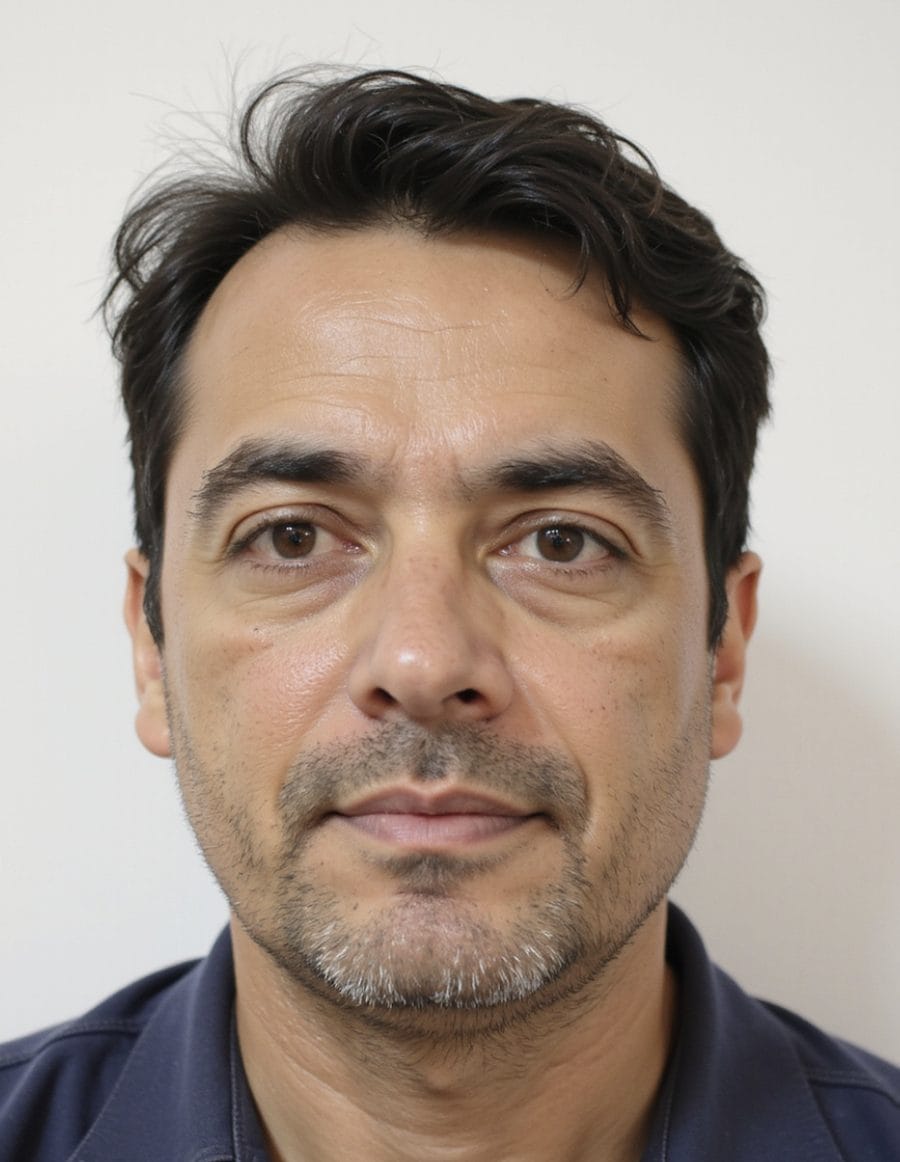
Noah Smith Regina is a respected entrepreneur, strategist, and mentor from Edmonton, Canada, with over twenty years of experience building and guiding successful businesses. Known for his calm discipline and long view of growth, Noah has earned a reputation for turning strategic ideas into sustainable enterprises. His approach blends corporate precision with entrepreneurial creativity, shaped by his early career in multinational companies and his MBA in strategic management. Noah’s business philosophy centers on what he calls “strategic patience,” the belief that real success comes from steady progress rather than speed. He builds companies on strong systems, clear culture, and enduring values. His ventures reflect a deep commitment to resilience, purpose, and sustainable leadership. Beyond his own enterprises, Noah is a sought-after mentor and advisor. He supports founders through board roles, mentorship programs, and speaking engagements, helping them develop clarity, discipline, and vision. His leadership style encourages collaboration, reflection, and continuous improvement. Outside of business, Noah is a passionate marathon runner who draws lessons about endurance and pacing from the sport. He believes that entrepreneurship, like running, is about consistency and mindset. Through every challenge, Noah Smith Regina continues to embody the principles of resilience, focus, and long-term growth that define his career and life.
What is your typical day, and how do you make it productive?
My day begins early with a morning run, which clears my mind and sets my focus. I then dedicate the first two hours to strategic work, planning, reviewing performance metrics, and identifying key priorities. Meetings and calls are scheduled in blocks to maintain flow. I avoid multitasking and end the day with reflection, reviewing what worked and what needs adjustment. Productivity for me comes from discipline and intentionality, knowing what truly moves the business forward and saying no to distractions that do not align with long-term goals. Every day is a chance to make small, consistent progress.
How do you bring ideas to life?
I approach ideas through structured experimentation. Every concept starts with research, understanding the market, competition, and potential value. Once validated, I move into small-scale testing to gather data and insights before committing full resources. I build teams around the idea early because collaboration strengthens execution. Bringing ideas to life requires patience and flexibility. Not every idea succeeds, but every test teaches something valuable. For me, creativity and discipline must coexist. Innovation without structure leads to chaos, while structure without creativity leads to stagnation. The balance between the two is where actual progress happens.
What’s one trend that excites you?
I am particularly excited about the rise of sustainability-driven entrepreneurship. Businesses are no longer built purely on profit but on purpose. This shift toward ethical growth, where companies consider social and environmental impact, represents a significant evolution in capitalism. Consumers, investors, and employees are holding brands accountable, which is reshaping industries. It is not just a trend but a fundamental change in how businesses define success. For entrepreneurs who value long-term resilience, this is an incredible opportunity to innovate responsibly and build companies that contribute to a better world. Profit and purpose can coexist.
What is one habit that helps you be productive?
Daily reflection has been the most valuable habit. At the end of each day, I take fifteen minutes to write down what worked, what did not, and what I will improve tomorrow. It keeps me accountable and ensures I am learning continuously. Reflection helps me separate busyness from effectiveness. It is easy to mistake activity for progress, but reflection forces clarity. It also reduces stress because it gives structure to thought. This habit, combined with physical exercise, sustains both my mental focus and emotional balance, allowing me to remain consistent even during high-pressure periods in business.
What advice would you give your younger self?
I would tell my younger self to trust time more. Early in my career, I was always racing and wanting results immediately. Over the years, I learned that growth is not about speed but direction. I have learned that consistency compounds. Every small step, when aligned with purpose, creates exponential impact over time. I would also remind myself to listen more and speak less. The best lessons come from observation and humility. Success is rarely about being first; it is about being ready when opportunity meets preparation. Patience and self-discipline are far greater assets than quick wins.
Tell us something you believe that almost nobody agrees with you on?
I believe that in business, slowing down can sometimes accelerate growth. Most people equate success with constant motion, launching faster or scaling quicker. But I have seen companies collapse from expanding before they are ready. Building sustainable systems takes time, and thoughtful restraint often produces better long-term results. Strategic patience allows you to anticipate challenges before they arise. It may seem counterintuitive in a world that rewards speed, but enduring success is rarely built on haste. The best leaders understand when to pause, evaluate, and refine before pressing forward.
What is the one thing you repeatedly do and recommend everyone else do?
I recommend scheduling solitude. Time alone is essential for clear thinking and creativity. In a world full of noise and constant connectivity, it is easy to lose perspective. I dedicate at least an hour each week to deep reflection with no screens and no meetings, just thinking. That is when the most meaningful insights appear. Whether you are an entrepreneur or professional, solitude helps you step back from reactionary decisions and focus on strategy. It is not about isolation but intentional clarity. Many of my best business ideas have emerged during quiet, uninterrupted moments of reflection.
When you feel overwhelmed or unfocused, what do you do?
Running has always been my reset. Physical movement helps me process complex thoughts and return with a clearer mind. I also temporarily disconnect from digital devices. Overwhelm often comes from overstimulation, not from actual workload. Taking a break to regain perspective allows me to prioritize effectively. Sometimes I will write down every task and eliminate what does not truly matter. It is remarkable how clarity returns when the noise is silenced. In business and in life, it is not about doing more; it is about focusing on what makes the biggest difference.
What is one strategy that has helped you grow your business or advance in your career?
Building strong, multidisciplinary teams has been fundamental. Early in my career, I tried to manage too much alone. Over time, I learned that surrounding myself with people who challenge my thinking leads to better outcomes. I intentionally hire for diversity of thought and background. This strategy not only strengthens decision-making but also fosters resilience because strong teams can adapt faster than individuals. By empowering capable leaders within the organization, I create an ecosystem where innovation thrives. Growth, in my experience, is a collective achievement, not a solo pursuit.
What is one failure in your career, how did you overcome it, and what lessons did you take away from it?
Early in my entrepreneurial journey, I expanded a venture too quickly. The market was not ready, and our systems were not mature. The result was operational strain and financial setbacks. Overcoming it required humility and a strategic reset, closing some branches, restructuring leadership, and rebuilding slowly. That experience taught me the value of measured growth and the cost of impatience. I learned that strong foundations matter more than speed. Today, every scaling decision I make passes through the lens of sustainability. Failure, when analyzed honestly, becomes a teacher that never stops guiding you.
What is one business idea you’re willing to give away to our readers?
I would encourage entrepreneurs to explore local mentorship platforms that connect experienced professionals with young founders. The world is full of emerging talent that lacks guidance. A digital platform that pairs mentors and mentees within specific industries and regions could create immense value. Unlike generic networking sites, this model would prioritize practical collaboration and shared accountability. Knowledge transfer is one of the most undervalued assets in business. Creating systems that formalize it can transform entire communities. Mentorship, when structured well, accelerates progress for both mentors and mentees.
What is one piece of software that helps you be productive? How do you use it?
I rely heavily on Notion for strategic planning and project management. It serves as a central hub for everything, including business frameworks, goal tracking, meeting notes, and team collaboration. I structure it to mirror the company’s strategic roadmap, ensuring every task aligns with larger objectives. Its flexibility allows me to adapt workflows as priorities evolve. Beyond productivity, it keeps the organization transparent and accountable. I value tools that promote clarity, not complexity. Notion has helped translate vision into actionable steps, making strategic execution far more coherent and measurable.
Do you have a favorite book or podcast you’ve gotten a ton of value from and why?
One book that has profoundly influenced me is Principles by Ray Dalio. It blends strategic reasoning with human understanding, showing how clear principles can guide complex decision-making. I value its emphasis on radical transparency and continuous learning. The book reinforced my belief that strong systems, both personal and organizational, lead to lasting success. It is a timeless reminder that decision-making improves when guided by well-defined values rather than emotion. I revisit it often, especially when recalibrating my business strategy or mentoring new entrepreneurs.
What’s a movie or series you recently enjoyed and why?
I recently enjoyed The Crown. Beyond the historical drama, it offers a fascinating look at leadership under pressure and the balance between duty and personal conviction. The series illustrates how consistency and restraint can be as powerful as boldness. I find it valuable as a reflection on leadership, showing how maintaining composure and principle through crisis defines legacy. The storytelling also underscores the importance of perspective, reminding leaders that strength often comes from patience, discipline, and the willingness to adapt without losing core identity.
Key learnings
- Sustainable success requires patience, structure, and consistent reflection.
- Physical endurance practices like running can enhance focus and decision-making.
- Strong and diverse teams are central to long-term business growth.
- Authentic leadership balances vision with restraint and knows when to pause before scaling.
- Mentorship and knowledge sharing create lasting value for individuals and communities.