
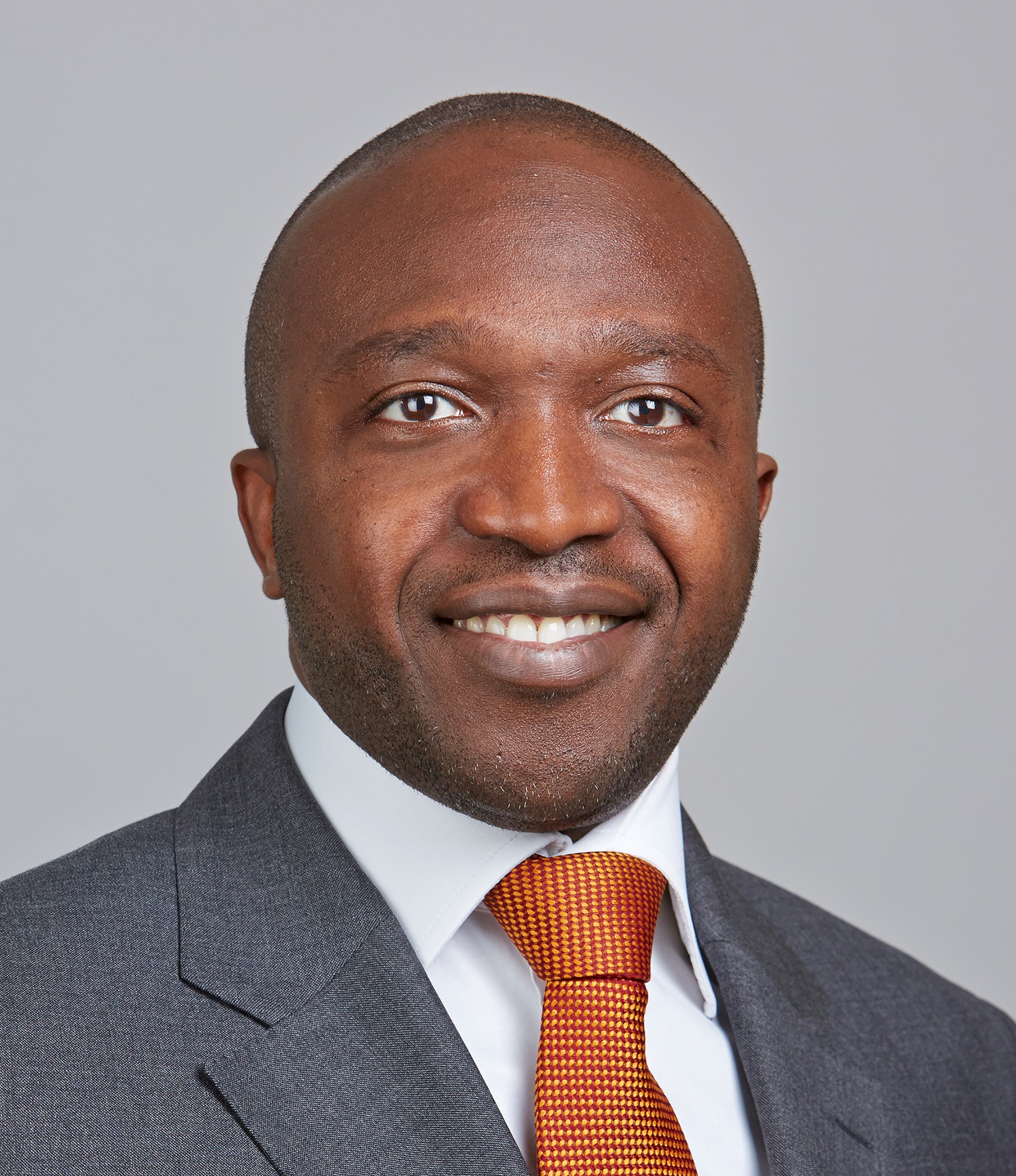
An audit partner in the pharmaceutical and life science practice at PwC, Ousmane Caba has over two decades of experience in accounting and auditing in the pharma and biotech industry. Ousmane Caba started working at PwC in 2002 as a junior auditor and moved to senior and manager positions within the first five years.
In 2007, Mr. Caba joined the PwC San Jose office. He has been an audit partner since 2018. Mr. Caba manages client relationships, leads a team of auditors, develops the audit plan, and performs risk assessments. He uses a balance of strong communication, listening, and analytical skills to advise clients as they navigate complex technical accounting matters including revenue recognition and stock-based compensation to reach a high-quality answer that is practical but also firmly grounded in US GAAP and reflects the economic substance of the transaction. He has extensive experience leading cross-functional audit teams through integrated audits of SEC registrants of varying size and complexity; he understands that communication early and often leads to effective project and issue management which is key to a successful client/auditor relationship.
Mr. Caba earned a master’s degree in finance and accounting from Neoma Business School in Reims, France. He is also a certified public accountant in California. His interests include hiking and watching football and soccer. He is an avid Raiders and Paris Saint-Germain fan.
What is your typical day, and how do you make it productive?
My mornings are sacred. I like to start early, often before the rest of the world wakes up, and spend that quiet time catching up on developments in the biotech and medtech space. Innovation moves fast in this industry, and staying current isn’t optional; it’s essential.
The rest of my day is centered around two things: my clients and my teams. Coaching and mentoring are big parts of how I lead. I firmly believe in the concept of “lifting as you climb,” so I make space every day to help someone think through a challenge or develop a new skill. My productivity comes from being intentional; protecting time to think, to listen, and to help others grow.
How do you bring ideas to life?
For me, ideas come to life through conversation and collaboration. I’ve learned that the best ideas don’t survive isolation; they evolve when you invite diverse perspectives into the room.
At PwC, I work with founders, CFOs, and scientists who are bringing groundbreaking therapies and technologies to market. My role often involves translating complex financial and regulatory realities into clear, actionable insights. That back-and-forth between innovation and practicality is where ideas become real.
What’s one trend that excites you?
I’m really excited about the convergence of technology and health, especially how data, AI, and diagnostics are redefining patient care. We’re seeing a transformation from reactive to predictive health.
It’s not just about new devices or drugs; it’s about ecosystems, how medtech, biotech, and digital companies collaborate to deliver better outcomes. As someone who advises companies in this space, it’s inspiring to witness how financial strategy and innovation can work hand in hand to improve lives.
What is one habit that helps you be productive?
I protect my mornings for strategic thinking. That first hour or two sets the tone for my entire day. I read, reflect, and sometimes just let my mind wander through new ideas.
It’s tempting to jump straight into emails and meetings, but I’ve learned that productivity isn’t about doing more; it’s about doing what matters most first.
What advice would you give your younger self?
Be patient with yourself; growth takes time. Early in my career, I thought success was purely about speed and technical mastery. Over time, I learned that relationships, empathy, and adaptability matter just as much.
I’d tell my younger self to take more risks, say yes to discomfort, and trust that every challenge is preparing you for something bigger.
Tell us something you believe that almost nobody agrees with you on.
I believe that work-life balance is the wrong goal. It’s really about work-life rhythm; knowing when to lean into your career and when to recharge. There’s no perfect balance, especially in demanding professions.
What matters is being fully present wherever you are, with your clients, your teams, or your family.
What is the one thing you repeatedly do and recommend everyone else do?
I coach, every day. Coaching keeps me grounded, sharp, and connected. No matter how senior you get, you should always invest in others. It reinforces your own learning and keeps you humble.
The more you teach, the more you grow. It’s that simple.
When you feel overwhelmed or unfocused, what do you do?
I step away. Usually, that means going for a walk, calling a mentor, or just giving myself permission to pause. Perspective often comes when you create space for it.
Sometimes clarity doesn’t come from pushing harder; it comes from slowing down and listening, both to yourself and to others.
What is one strategy that has helped you grow your business or advance in your career?
Saying yes to opportunities that stretch me. One defining moment in my career was when I left PwC’s Paris office to join our Silicon Valley practice. It was a leap; new culture, new clients, new everything.
That experience taught me resilience and cultural dexterity. It forced me to listen, adapt, and lead differently. Every major step forward in my career has come from stepping outside my comfort zone.
What is one failure in your career, how did you overcome it, and what lessons did you take away from it?
Early in my career, I underestimated how much context matters. I once led a project assuming everyone shared the same expectations and communication style; they didn’t. The result was confusion and missed alignment.
I learned that leadership isn’t about being the smartest in the room; it’s about ensuring everyone is moving in the same direction. That experience made me a better communicator and a better listener.
What is one business idea you’re willing to give away to our readers?
Someone should build a trusted data exchange platform for clinical research; one that allows biotech and medtech startups to securely share anonymized data with hospitals and research centers.
There’s a huge opportunity to accelerate innovation if we can break down silos between institutions while maintaining privacy and compliance. It’s less about technology and more about building trust and transparency.
What is one piece of software that helps you be productive? How do you use it?
I rely heavily on Microsoft OneNote. It’s where I capture ideas, meeting insights, and industry observations. I treat it like my digital brain; searchable, structured, but flexible enough to hold thoughts before they become plans.
It’s simple, but it’s what keeps me organized amid constant travel, meetings, and client work.
What is the best $100 you recently spent? What and why?
The best $100 I’ve spent recently was on a Paperlike screen protector for my iPad, along with a drawing app. It turns the iPad into something that feels much closer to writing on real paper.
I use it for sketching out ideas, mapping out client discussions, and even just thinking visually. There’s something about the tactile feedback—the resistance of the pen on the screen—that helps me slow down and think more creatively. It’s become one of my favorite tools for brainstorming and reflection.
Do you have a favorite book or podcast you’ve gotten a ton of value from and why?
A podcast I really enjoy and have gotten a lot of value from is Hidden Brain by Shankar Vedantam. It explores the psychology behind human behavior: why we think, act, and make decisions the way we do.
I find it fascinating because so much of leadership and client work comes down to understanding people: their motivations, fears, and patterns of thought. The podcast reminds me that even in business, success often depends on empathy and awareness as much as strategy or execution.
What’s a movie or series you recently enjoyed and why?
I recently watched The Bear. It’s about a young chef trying to turn around a struggling family restaurant. Beyond the kitchen chaos, it’s really a story about leadership, teamwork, and the pursuit of excellence.
It’s messy, emotional, and authentic; just like real life. I love how it captures the tension between perfection and progress.
Key learnings
- Growth comes from discomfort; resilience and adaptability are essential for long;-term success.
- Coaching and mentorship strengthen both the mentor and the mentee.
- Staying curious and informed is a competitive advantage in any industry.
- Work-life balance is a myth; meaningful rhythm is what sustains you.
- The most powerful ideas come alive through collaboration and trust.