
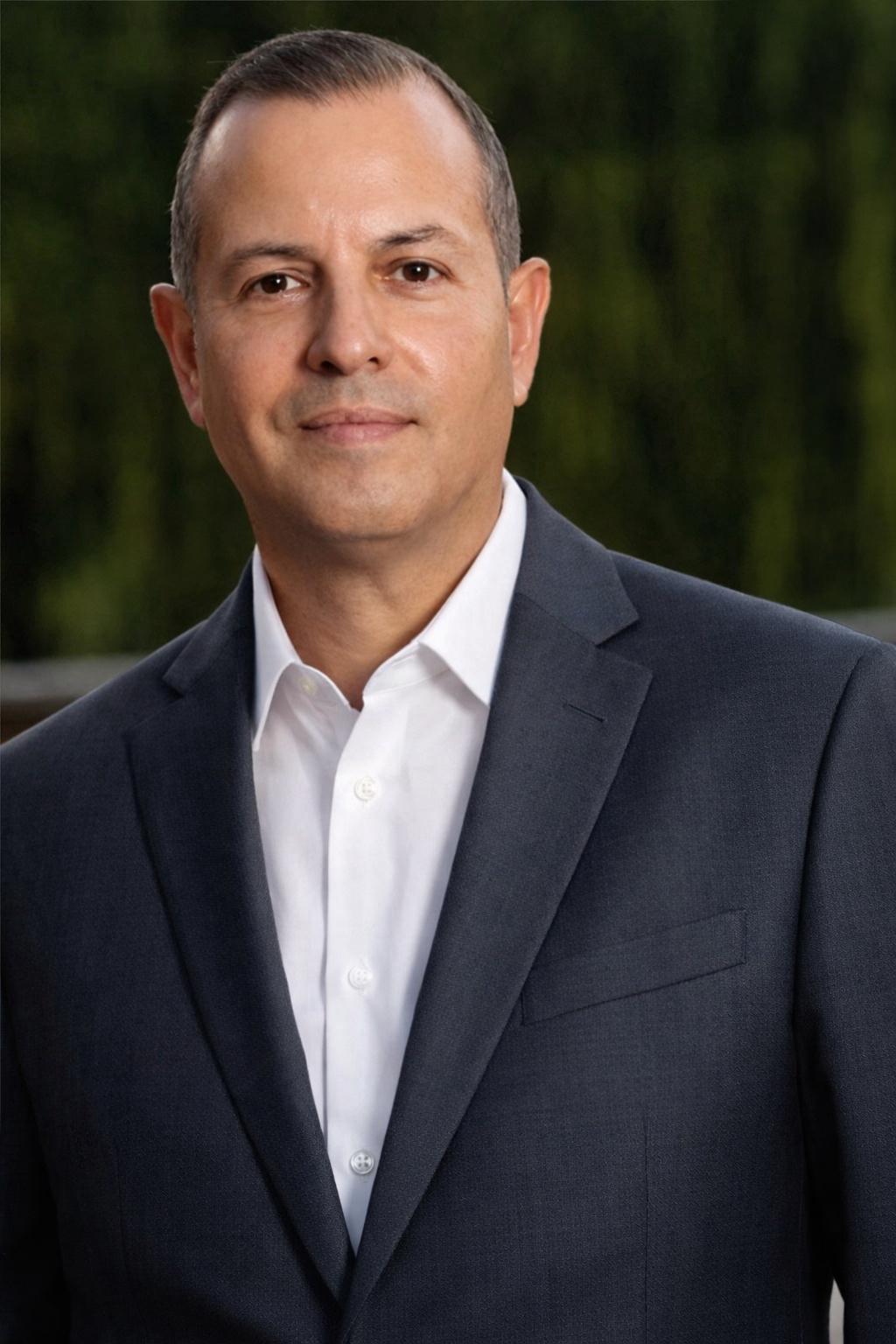
Ron Yeffet’s journey began in Jerusalem, where he was born in 1966. At a young age, he developed a strong sense of discipline and responsibility. That mindset deepened during his 37 months of service in the Israeli Defense Forces, where he served as a Major Sergeant in the Artillery and Bomb Squad Unit.
After completing his service, Ron made a bold move. He traveled to the United States to begin building his future. He did not follow a fixed path. Instead, he focused on learning, adapting, and taking action.
He started in New York City real estate. Over time, his work expanded far beyond local development. Across more than 25 years, Ron has managed over 100 projects and owned north of 50. His work spans the United States, Israel, Europe, and Africa.
His projects are wide-ranging. They include concrete superstructures, energy supply systems, power plants, and major infrastructure. Each project reflects his focus on planning, teamwork, and execution.
Ron also values community. He played a role in building Jewish communal life in parts of the Balkans, helping create lasting institutions where few existed before.
Today, Ron continues to focus on long-term impact. His work is shaped by simple principles: stay disciplined, plan carefully, and follow through. His career reflects what can happen when ideas are matched with consistent action.
What is your typical day, and how do you make it productive?
My day usually starts early. I review ongoing projects before anything else. I like to look at what needs attention, not just what is urgent. I spend a lot of time talking with teams across different regions. Communication keeps things moving. I stay productive by focusing on a few key priorities instead of trying to do everything.
How do you bring ideas to life?
I break them down. Big ideas are not useful unless you can execute them. I start with planning, then build the right team. After that, it is about consistent follow-through. I always ask, “What does this look like in reality?”
What’s one trend that excites you?
Infrastructure development in emerging regions. There is a real need, and the impact is long-term. When done right, it changes how people live and work.
What is one habit that helps you be productive?
Reviewing plans daily. Even small adjustments early can prevent big problems later.
What advice would you give your younger self?
Be patient. Growth takes time. Focus on learning, not just results.
Tell us something you believe almost nobody agrees with you on?
I believe most projects fail before they start. Not during execution, but during poor planning.
What is the one thing you repeatedly do and recommend everyone else do?
Think long term. Short-term thinking creates weak outcomes.
When you feel overwhelmed or unfocused, what do you do?
I go back to basics. I simplify the situation and focus on one task at a time.
What is one strategy that has helped you grow your business or advance in your career?
Building strong relationships. Many opportunities came from trust. When people see consistent results, they want to work with you again.
What is one failure in your career, how did you overcome it, and what lessons did you take away from it?
Early on, I underestimated a project timeline in New York. It caused delays and stress. I learned that planning must be realistic, not optimistic. Since then, I focus more on preparation.
What is one business idea you’re willing to give away to our readers?
A platform that tracks long-term performance of infrastructure projects. Not just cost, but real impact over time.
What is one piece of software that helps you be productive? How do you use it?
Simple project management tools. I use them to track progress and keep communication clear across teams.
Do you have a favorite book or podcast you’ve gotten a ton of value from and why?
Books on leadership and history. They show how decisions shape long-term outcomes.
What’s a movie or series you recently enjoyed and why?
I enjoy documentaries about large-scale projects. They show the process behind complex work.
Key learnings
- Strong planning and discipline are often more important than the idea itself.
- Long-term thinking leads to more sustainable and meaningful results.
- Consistent execution builds trust and creates new opportunities.
- Community impact should be considered alongside business outcomes.
- Breaking down complex ideas into simple steps makes them achievable.