
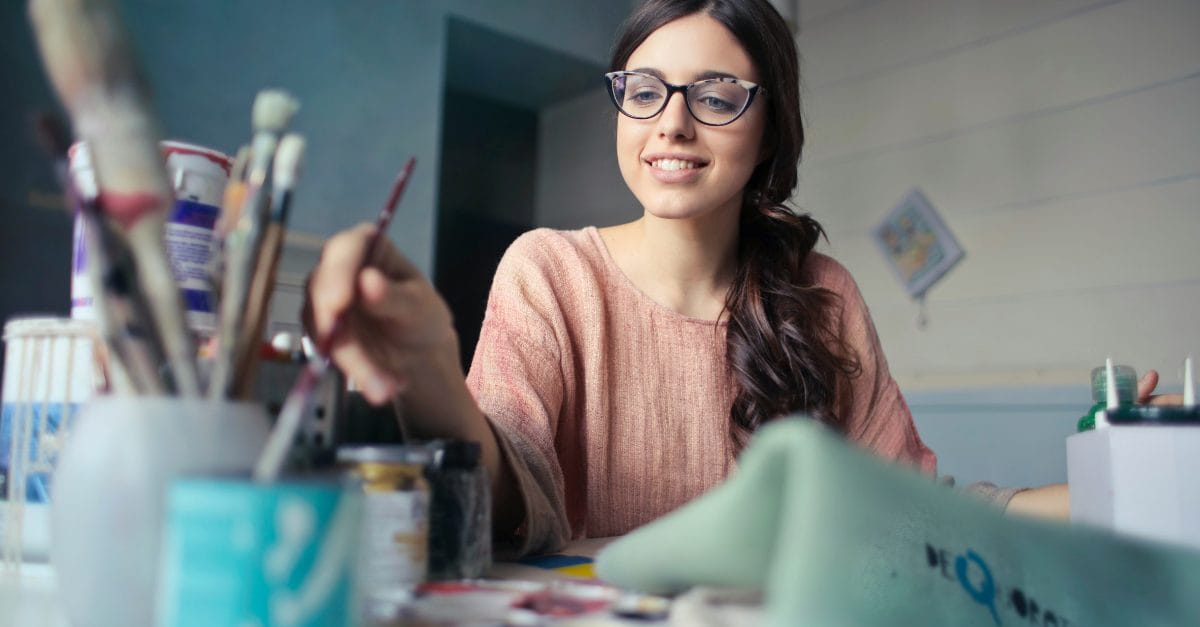
Summer VonHolten is an accomplished oil painter based in Tomball, Texas, known for her emotive, nature-inspired works. Raised in the scenic landscapes of rural Texas, Summer’s deep connection to the natural world heavily influences her art. Her pieces often depict vibrant, textured scenes of wildlife and landscapes, capturing the beauty and emotional depth of her surroundings. Using rich, layered colors, she brings her subjects to life, blending realism with a dreamlike quality that resonates deeply with viewers.
A Fine Arts graduate from the University of Houston, Summer honed her craft through years of dedication, drawing inspiration from iconic artists like Georgia O’Keeffe and Vincent van Gogh. Her ability to evoke emotion through color and texture has earned her a loyal following in Texas, where she regularly exhibits her work.
In addition to painting, Summer is passionate about fostering creativity in others. She leads workshops and offers mentorship to aspiring artists, emphasizing the importance of experimentation and personal expression. Through her art, Summer aims to create meaningful connections with nature and invite others to experience its beauty in new ways
What is your typical day, and how do you make it productive?
My typical day begins early, with some quiet time before diving into painting. I find that starting my day with a bit of reflection—whether through a walk outside or simply looking at the morning light—helps me connect with nature and center myself. I usually spend the first half of the day working on my oil paintings, and I keep my studio space organized, so I can move freely between different works in progress. Productivity for me comes from staying connected to my vision for each piece, but I also allow room for spontaneity. I give myself permission to follow creative instincts, which keeps the work fresh and engaging.
How do you bring ideas to life?
Ideas come to life in my art through a process of immersion and experimentation. I’ll often take inspiration from a specific scene I’ve encountered or an emotion I’m trying to express. I begin with rough sketches to map out the composition, but it’s in the layering of oils where the idea truly comes to life. I let the colors and textures guide me, building slowly and adjusting based on how the piece evolves. Sometimes what starts as one idea transforms into something completely different, and I love embracing that unpredictability.
What’s one trend that excites you?
I’m really excited by the resurgence of appreciation for tactile, traditional mediums like oil painting in a digital age. People seem to be craving more tangible, physical experiences with art, and I think this creates an opportunity for artists like me to offer something that’s deeply immersive and hands-on. There’s something irreplaceable about seeing the texture and depth of an oil painting in person.
What is one habit that helps you be productive?
Setting aside blocks of time to focus solely on painting, free from distractions, has been crucial for me. I work best when I dedicate specific hours of the day to being in my studio, fully present. It’s almost like a ritual—once I’m in that space, surrounded by my materials, it becomes easier to lose myself in the work.
What advice would you give your younger self?
I would tell my younger self to trust the process more. There were times early on when I felt rushed to figure everything out—whether it was my style, my career path, or even a particular painting. I’ve learned that art, like life, unfolds in its own time. It’s okay to take your time to grow into your voice as an artist.
Tell us something you believe almost nobody agrees with you on?
I believe that art doesn’t have to be perfect to be powerful. There’s beauty in imperfection and in the rawness of emotion that comes through in a piece. Many people get caught up in making everything look polished, but sometimes the rough edges and unexpected moments in a painting are what make it truly resonate.
What is the one thing you repeatedly do and recommend everyone else do?
Spend time in nature. Whether you’re an artist or not, I think reconnecting with the natural world is vital. Nature is endlessly inspiring, and it gives you the space to think and feel without the noise of daily life. I always come back from walks with new ideas or a clearer head.
When you feel overwhelmed or unfocused, what do you do?
When I’m feeling overwhelmed, I step away from the studio for a bit. Sometimes just walking outside or sitting quietly with a cup of tea helps reset my mind. If I’m unfocused on a particular piece, I might switch to working on another one for a while. Letting go of the pressure to “solve” something immediately often brings clarity.
What is one strategy that has helped you grow your business or advance in your career?
Building relationships within my local community has been essential. Whether it’s collaborating with other artists or participating in local galleries and art shows, being present and active in my community has opened doors. Word of mouth and personal connections have been invaluable for commissions and opportunities.
What is one failure in your career, how did you overcome it, and what lessons did you take away from it?
Early in my career, I had an exhibition where not a single piece sold. It was disheartening at the time, but it taught me an important lesson about persistence and resilience. I realized that I can’t measure my success by immediate validation. It pushed me to refine my style, focus on creating work that I was passionate about, and trust that the right audience would find it. And they did.
What is one business idea you’re willing to give away to our readers?
There’s a growing demand for more personalized, intimate art experiences. I think there’s a real opportunity in offering art retreats or workshops where people can connect with nature and create art in a guided setting. A mix of mindfulness, nature immersion, and creativity could be powerful.
What is one piece of software that helps you be productive? How do you use it?
I use Adobe Photoshop quite a bit, but not in the way you might expect. Before I start on a large canvas, I often use Photoshop to play with color palettes or tweak the composition of a preliminary sketch. It allows me to quickly visualize the end result before I commit to it on canvas.
Do you have a favorite book or podcast you’ve gotten a ton of value from and why?
One of my favorite books is The Artist’s Way by Julia Cameron. It’s all about unlocking creativity and overcoming the mental blocks that artists often face. The idea of “morning pages” really resonated with me—just letting thoughts flow onto paper without judgment. It’s helped me tap into new levels of creativity.
What’s a movie or series you recently enjoyed and why?
I recently watched My Octopus Teacher, and it left such an impression on me. The connection between the filmmaker and the octopus, and the way the natural world can teach us so much about life and emotion, was incredibly inspiring. It reminded me of how much nature influences my work and the stories I try to tell through my paintings.
Key learnings
- Connection to Nature
- Patience and Persistence
- Community and Relationships