
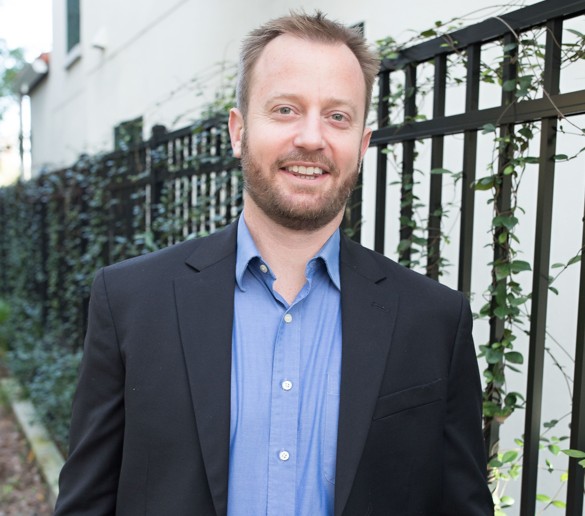
Jacob Schmalzle is the founder of Spirit of Service (SOS), a faith-based estate executor and trustee organization that helps families navigate probate and trust administration. His path into the industry was unexpected and deeply personal.
Raised in a missionary family, Jacob grew up watching his father, Pastor Bob, serve others through faith and community work. That mindset stayed with him into adulthood. Years later, after losing both his father and grandmother within a short period of time, he found himself learning the probate process firsthand while grieving.
The experience changed how he viewed estate administration. He saw how quickly families become overwhelmed by court filings, paperwork, deadlines, and financial responsibilities after a death. Around the same time, a resident at his church retirement community asked him for help with probate planning. Jacob agreed before realizing the role was paid. He later tithed the money to help another resident in need.
That simple act of service became the beginning of Spirit of Service in 2025. Today, Jacob works with families and churches across the country, helping manage estates with structure, compassion, and stewardship. His company operates on a model that charges only the state minimum executor fee while donating a portion of fees back to churches or charities chosen by clients.
Outside of work, Jacob remains active in his church community, where he volunteers and plays guitar.
What is your typical day, and how do you make it productive?
Most days start early. I usually review estate timelines before anything else because probate moves on deadlines. If one document gets missed, the whole process can slow down.
I spend a lot of time communicating with families, attorneys, courts, and financial institutions. No two estates are the same. One day, I might be coordinating property transfers. Another day, I’m helping a family locate missing paperwork from a safe deposit box.
I try to stay productive by keeping everything organized in simple systems. I use checklists constantly. Probate has too many moving parts to trust memory alone.
How do you bring ideas to life?
I usually start small. Spirit of Service began because one person at church needed help. I didn’t sit down with a giant business plan.
I pay attention to the problems people keep repeating. If enough people struggle with the same thing, there’s usually a gap that needs to be solved.
Then I test simple solutions first before trying to scale anything.
What’s one trend that excites you?
I think more churches are realizing they can support families beyond funeral services. That excites me.
Churches already provide emotional support during grief. Now, many are asking how they can help members with probate, trustees, and estate administration, too.
What is one habit that helps you be productive?
Write everything down immediately.
If I get a phone call with an important detail and think, “I’ll remember that later,” I probably won’t.
Probate is detail-heavy work. Small mistakes can create major delays.
What advice would you give your younger self?
Learn to ask for help sooner.
When I was handling my own family’s estate after losing my father and grandmother, I tried to figure out everything alone at first. That slowed me down and added stress.
Tell us something you believe almost nobody agrees with you on?
I think many families choose the wrong executor.
People usually pick the oldest child or the person who seems most emotionally responsible. But the best executor is often the person who can stay calm while handling paperwork, deadlines, and conflict for a year straight.
What is the one thing you repeatedly do and recommend everyone else do?
Talk openly with your family before a crisis happens.
Most estate problems I see are communication problems. People assume everyone understands the plan when nobody actually does.
When you feel overwhelmed or unfocused, what do you do?
I step away from the paperwork with prayer and meditation. Sometimes I’ll grab my guitar and play for twenty minutes to practice songs for an upcoming worship service.
Probate work involves grief every day. You need small resets, or the emotional weight builds up over time.
What is one strategy that has helped you grow your business or advance in your career?
Listening carefully before offering solutions.
A lot of families contact us, thinking they need one thing when the real issue is something else entirely. Sometimes they need executor support. Sometimes they simply need structure and guidance.
People remember when they feel heard during difficult moments.
What is one failure in your career, how did you overcome it, and what lessons did you take away from it?
Early on, I tried handling too many things personally instead of building systems.
I thought being helpful meant saying yes to everything immediately. Eventually, I realized that without structure, even good intentions can lead to burnout.
That forced me to become more process-driven.
What is one business idea you’re willing to give away to our readers?
Churches should create volunteer “estate, readiness teams.”
Not legal teams. Just trusted people who help older members organize documents, beneficiary information, and executor contacts before emergencies happen. We offer free resources to help individuals, families, and churches to get organized.
It would reduce stress for so many families.
What is one piece of software that helps you be productive? How do you use it?
Google Calendar honestly keeps my life together, along with an Ai note taker that makes sure I never miss a thing.
Probate involves court deadlines, follow-ups, meetings, property schedules, and reminders. If it’s not on the calendar, it probably doesn’t exist.
Do you have a favorite book or podcast you’ve gotten a ton of value from and why?
One book that stayed with me is The Ruthless Elimination of Hurry by John Mark Comer.
Probate work constantly puts you around stressed people and emotional situations. That book reminded me that slowing down mentally can actually make you more effective.
What’s a movie or series you recently enjoyed and why?
I recently rewatched Ford v Ferrari. I like stories about people trying to build something difficult under pressure.
What stood out to me was how much of the movie focused on the process and problem-solving rather than just the final race. They kept refining systems, fixing mistakes, and improving small details until everything finally worked together.
That feels very familiar to estate administration. Most people only see the final outcome, but behind the scenes, there are hundreds of moving parts that need coordination. I respect work that looks calm on the outside because somebody stayed disciplined behind the scenes.
Key learnings
- Estate planning conversations should include executor responsibilities, not just asset distribution.
- Families often underestimate the emotional and operational workload involved in probate administration.
- Churches are increasingly becoming part of the conversation around estate support and after-loss care.
- Small systems and organization habits can reduce major stress during difficult life events.
- Service-based businesses often grow from solving practical problems people repeatedly face.