
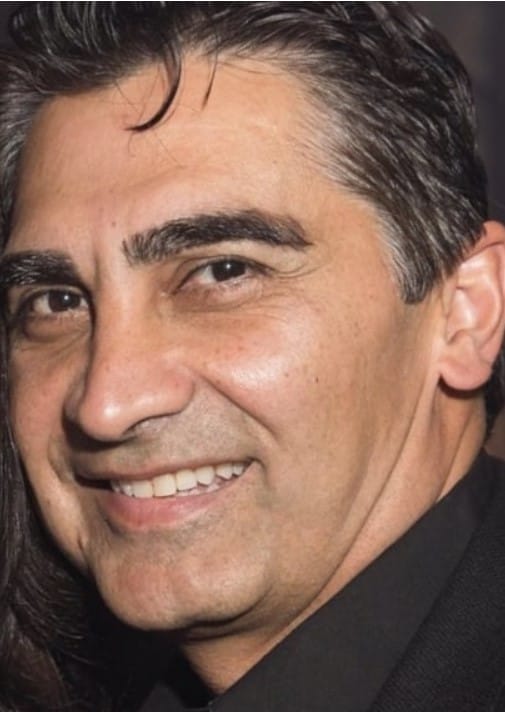
Javid Javdani is a pharmacist-turned-entrepreneur based in San Diego, California. Originally from Iran, he immigrated to the United States in 1982 and built a career in healthcare before transitioning to business ownership. After nearly two decades as Director of Pharmacy at Kindred Hospital, he took a leap of faith and purchased a small grocery store, which he expanded into Balboa Market, a thriving international food market serving diverse ethnic communities. He later founded Sufi Mediterranean Cuisine, a restaurant and catering business. Javid’s story is one of resilience, adaptability, and a passion for building community through business.
What is your typical day, and how do you make it productive?
My days are a balance of structure and adaptability. I start early—usually with a strong Persian tea and a walk to clear my mind. The mornings are focused on Balboa Market, checking in with my team, reviewing inventory, and making sure everything is running smoothly. By the afternoon, I shift gears to our restaurant, ensuring the quality of service and engaging with customers. Productivity, to me, isn’t about how many hours you work—it’s about making every decision count. Prioritizing what truly moves the business forward is key.
How do you bring ideas to life?
I listen first, act second. Many of my best ideas have come from customers, employees, or even random conversations. When I opened Balboa Market, I didn’t just decide what to stock—I asked people what they missed from their home countries. Once I have an idea, I test it on a small scale before expanding. A business should never be afraid to evolve.
What’s one trend that excites you?
The rising demand for authentic, global cuisine excites me. People are more adventurous with their food choices than ever before. They want experiences, not just meals. This has fueled our success at Balboa Market and Sufi Mediterranean Cuisine. The idea that someone can walk into our store and discover flavors from across the world, maybe even try cooking something new at home, is incredibly fulfilling.
What is one habit that helps you be productive?
Daily reflection. Every night, I take ten minutes to review my day. What worked? What could have been done better? This small habit keeps me constantly improving and prevents small issues from becoming big problems.
What advice would you give your younger self?
Be patient, but don’t hesitate. There’s a fine line between rushing into things and waiting too long. When I started my career, I thought success meant climbing a corporate ladder. But success is really about creating something meaningful. I would tell my younger self to trust the process, stay adaptable, and always bet on my own vision.
Tell us something you believe almost nobody agrees with you on?
That failure is necessary, but it should be strategic. People romanticize failure, saying things like “fail fast.” I don’t agree with that mindset. I believe in calculated risks—you should learn from failure, but it shouldn’t be reckless. Every decision should have a plan B, and every mistake should come with a lesson.
What is the one thing you repeatedly do and recommend everyone else do?
Talk to people outside your usual circle. Whether it’s employees, customers, or strangers at a café, fresh perspectives can change your thinking. Some of my biggest breakthroughs in business have come from unexpected conversations.
When you feel overwhelmed or unfocused, what do you do?
I take a break and step into the kitchen at Sufi Mediterranean Cuisine. Cooking is my way of re-centering myself. There’s something about chopping vegetables, tasting flavors, and focusing on the present moment that clears my mind.
What is one strategy that has helped you grow your business or advance in your career?
I empower my team. I learned early that micromanaging slows growth. When I train my employees, I teach them why we do things, not just how. When they feel ownership over their work, they make decisions that benefit the business even when I’m not there.
What is one failure in your career, how did you overcome it, and what lessons did you take away from it?
In the early days of Balboa Market, I overstocked inventory without fully understanding customer demand. I lost money on products that didn’t sell. Instead of doubling down on what wasn’t working, I listened to what people actually wanted. The lesson? Let data and feedback guide you, not assumptions.
What is one business idea you’re willing to give away to our readers?
A subscription-based global spice box. Every month, customers receive a box with unique spices from different regions, along with recipes and stories about their origins. People love to explore new flavors but often don’t know where to start. This could bridge that gap.
What is one piece of software that helps you be productive? How do you use it?
I use Google Keep to jot down ideas on the go. It syncs across all my devices, so whenever inspiration strikes—whether I’m at the market, in the restaurant, or out for a walk—I can capture it instantly.
Do you have a favorite book or podcast you’ve gotten a ton of value from and why?
I always recommend “The Obstacle Is the Way” by Ryan Holiday. It’s about turning challenges into opportunities. Whether in business or life, obstacles are inevitable—your response to them defines your success.
What’s a movie or series you recently enjoyed and why?
I recently watched “Chef” again, and it reminded me why I love the food business. It’s about passion, reinvention, and building something with heart. The idea that food can bring people together, create memories, and even change lives—it resonates deeply with me.
Key learnings
- Listen first, act second. Whether in business or life, taking the time to understand before making decisions leads to better outcomes.
- Empower your team. A business grows stronger when employees feel trusted and take ownership of their roles.
- Failure should be strategic. Making mistakes is part of growth, but every failure should come with a lesson and a plan for improvement.