
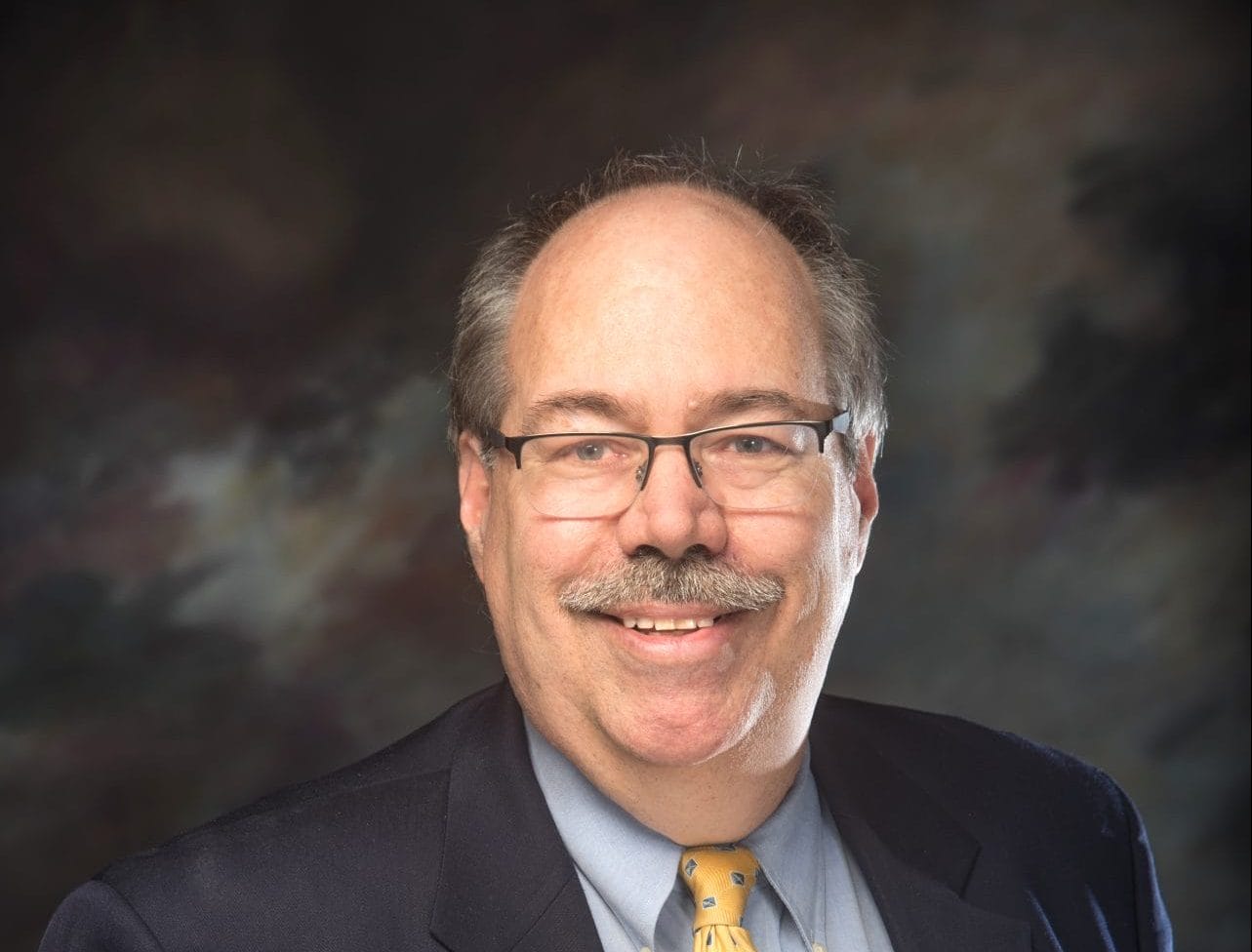
A retirement planning and identity theft specialist with nearly four decades of experience, Robert Ryerson is the president of New Century Planning Associates, Inc., a full-service financial planning firm based in Waldwick, New Jersey. Among other designations, Robert Ryerson is a Retirement Income Certified Professional (RICP) and Certified in Long Term Care (CLTC) professional who is experienced in helping retirees incorporate inflation, and future potential health care costs into their savings and estate plans.
A published author and Forbes contributor, Mr. Ryerson wrote about healthcare concerns in retirement in the book, What You Don’t Know About Retirement Will Hurt You. He also co-authored Momma’s Secret Recipe for Retirement Success: The Truth About Risk, The Stock Market, Fees & Annuities. He is uniquely positioned to help retirees create reliable and sustainable income streams through his extensive study of various financial products and strategies, as well as baby boomer demographic trends. In addition, he has a passion for educating in all areas of retirement planning, including tax strategy, estate planning, asset preservation, and insurance.
Mr. Ryerson is a career learner who, in addition to educating others, has achieved multiple professional designations. Most recently, he received the prestigious National Social Security Advisor certificate from the National Social Security Association LLC. This designation highlights his proficiency in helping retirees maximize their social security benefits.
Several years ago, after monitoring the growing identity theft epidemic in the United States, Mr. Ryerson began thoroughly researching the subject and, in 2014, earned designation as a Certified Identity Theft Risk Management Specialist. He then authored What’s The Deal With Identity Theft? A Plain English Look at Our Fastest Growing Crime (2016). Understanding that seniors are more susceptible to identity theft scams, he helps clients implement protection and restoration strategies as part of their overall financial plans.
Outside of his professional endeavors, Robert Ryerson enjoys spending time with his wife and four daughters, traveling, and reading.
What is your typical day, and how do you make it productive?
I read/review several reliable news and market/economic sources. I read and respond to a large amount of emails. I review the list of things that I need to address or get done—I decide on what the most pressing items are and then prioritize my time for the day. This very often includes prep for meetings with clients-including zoom meetings. I also usually spend time every day drafting plans or reviews and updates for clients and prospective clients. Many weeks include a presentation in terms of a class or dinner for new prospective clients.
How do you bring ideas to life?
I attend conferences and webinars with one or more colleagues and also read a lot about what is going on in our industry in terms of news and new products or strategies or tax laws, etc. I then work with our large FMO ( Financial marketing organization) to learn and implement these new ideas, products, or processes.
What’s one trend that excites you?
The huge demographic trend of the baby boomers (approx.. 75M people) needing to retire, and simultaneously inheriting from their parents what will be, over the next 10-20 years, the largest transference of wealth in history. Since the retirement planning process these days is quite complicated, if it is going to be done correctly , and since most people who inherit money are going to want some help from professionals, this is an exciting trend that I watch closely.
What is one habit that helps you be productive?
I always write out to do lists, and methodically address the tasks on the list until they are completed, while simultaneously keeping up with breaking trends and changes in the markets, or tax laws, global economy and technology.
What advice would you give your younger self?
Don’t try to learn about and conquer everything. It is no good to be a jack of all trades and master of none! Just become competent at providing solutions for a few large or key needs that most clients have. Focus more!
Tell us something you believe almost nobody agrees with you on?
The harmful and illogical trends and bad path that the country is on can be reversed, and fairly quickly, with the right leadership and the right policies/actions.
What is the one thing you repeatedly do and recommend everyone else do?
I keep striving to improve various aspects of the business and I do not get discouraged by temporary problems or interruptions.
When you feel overwhelmed or unfocused, what do you do?
First, I pray for peace and clarity of mind and discernment. I intentionally take a step back, and then go back in and tackle something fairly simple and easy, to get back on track without getting too rattled.
What is one strategy that has helped you grow your business or advance in your career?
Being willing to use different technology tools and communications methods as they become available over time.
What is one failure in your career, how did you overcome it, and what lessons did you take away from it?
Trying to be too many things to too many people—learning to finally narrow my focus to plat to my strengths in terms of helping people.
What is one business idea you’re willing to give away to our readers?
One idea I think is quite effective and useful at all times ( at least it has been for me) is to give small gifts to clients every year, or even to good new prospective clients. For example, we do about 20 dinner presentations per year for retirement planning, and ask people who are interested in any of the subjects we cover, or who have various concerns in their overall retirement and legacy picture, to come in for a no cost, no obligation consultation. After they leave, the next day we send out a short letter with a small gift box that includes a nice pen, and a key ring with a small flashlight attached. For our top clients, we send out an end of the year greeting card with a 1 ounce silver coin from a recognized global mint. While this can get expensive, I feel it is worthwhile, and I build it into my annual budget, as it generates a lot of good will, and helps distinguish us from our competitors, who do not usually do anything like this. So the idea is—be willing to give away some time, or talent, or a small gift—it will come back to you down the road at some point.
What is one piece of software that helps you be productive? How do you use it?
About a year ago, I started using a CRM program called “Levitate”, and have had great results. The levitiatapp.com program blends ai innovation with authentic human touches, through emails, texting, social media, surveys, and even handwritten notes. Relative to others I have tried ( and there are plenty out there) for “drip marketing” purposes, this software/app is really helping me, with open rates in the steady 55-65% range, and a good number of replies to all efforts I am making through he Levitate app. I work with my Levitate team with regard to what blogs, videos, or other messages to release and when/how often, and it is then essentially on autopilot. This regular and authentic-feeling contact with both clients and prospects has elevated my productivity greatly, as it has allowed me to focus on meeting with clients and prospects, WITHOUT worrying about having people cool down too much and fade away because they got busy with life!
Do you have a favorite book or podcast you’ve gotten a ton of value from and why?
A book that I read about a year ago ( “Real Wins”) was an eye-opener for me, because I thought I knew everything about conducting retirement planning dinner seminars, having done them for many years. This book, however, taught me a ton of things that I had been missing, including a focus on many “little things” things that seem inconsequential, but which add up to incremental gains, in the form of more people willing to sign up that evening for a free consultation meeting at my office. A couple examples are that little things like the lighting and proximity of the parking spots outside, the closeness of the bathrooms to the meeting room, the type and level of the music, and about 15 small verbal and non-verbal things to say and do to put people more at ease. There was even a recommendation to give a nice big tip to the wait staff BEFORE the event—this relieves them from worrying about how little they may get that night, and puts them in a good frame of mind to help me maximize my results from the dinner event! I continue to gain value from the book every few months by reviewing various chapters and items I need remining on.
What’s a movie or series you recently enjoyed and why?
Even though it is an old movie, I watched Papillion again recently. It is a very inspiring move for me as it shows how resilient people can be, and how indomitable the human spirit can be, even in very tough situations. Also, it had two great actors in it that are a pleasure to watch over and over again.
I also enjoyed the series “Game of Thrones”, as I am fascinated by life in the middle ages, and the series was so well written and exciting ( a bit rough, but worth it).
Key learnings:
- Remain open to all alternative ways of doing what I do. I can never know all the best ways to do these various things, and I can learn and profit in many ways from adopting new methods or ideas from my colleagues and competitors.
- Be persistent and consistent, and most of all patient. In a people-oriented profession, and in a world in which most people are busier or under more stresses than they would prefer, patience and polite reminders of the benefits of taking particular steps or actions is a wining strategy in the longer run, if my motivations and desire to assist people is clear and real.
- Try to educate and explain the trends that excite and motivate me to my team-my staff, so that they can more easily strive with me and share the vision and goals.